





Aluminum Powder
Aluminum is a very common metallic material with the characteristics of being light, low cost and tough. However, powdery aluminum presents a high risk of explosion, therefore utmost care is required for process design. Powdery aluminum particles are used as a pigment for decorative purposes to give a shining effect in the metallic paint. They are more and more applied in automobile exterior and electric appliances. Aluminum pigment mixed with paint improves weatherability, protecting the paint from heat and corrosion. Therefore, it plays an important role in the paint industry.
Aluminum powder production
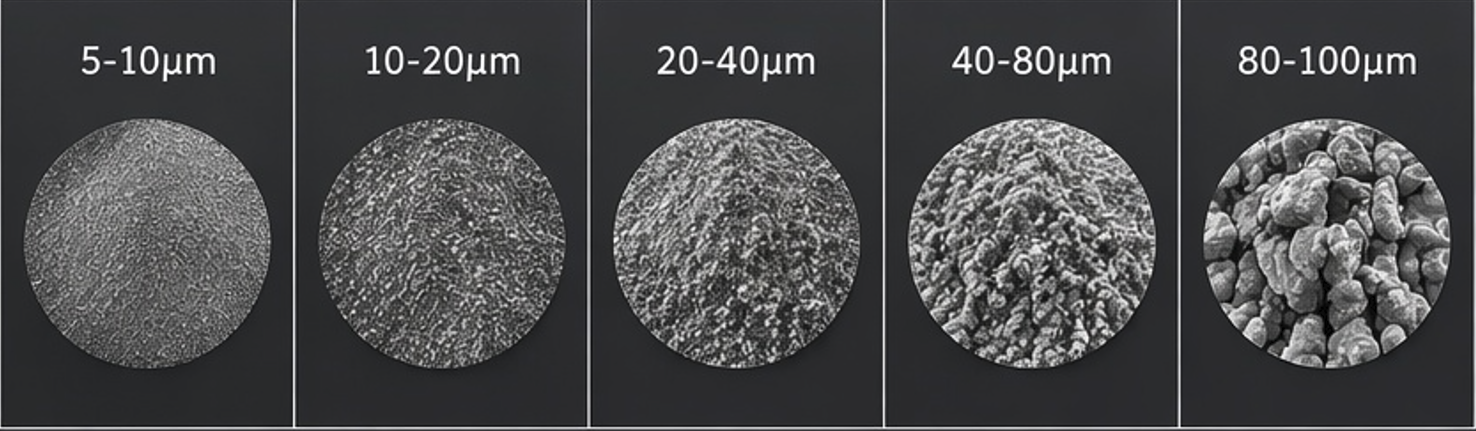
Aluminum fine particles made by atomization range from a few μm to 100 μm in sizes. Aluminum powders in the metallic paints are generally manufactured by classifying the atomized particles. The classified fines are flattened by a wet ball mill to produce a flaky product of 10 μm diameter with 0.5 μm thickness. The flakes in the paint are arranged on the paint film (leafing), which functions to prevent intrusion of moisture and corrosive substances across the film and ensure a uniform shine over the surface. To reduce diffuse reflection and ensure a high shine, the flakes arerequired to have a uniform particle size distribution. Therefore, the classifying process is very important to unify the size of the aluminum fine particles. For the removal of fines and coarse particles, the use of air classifier is common. However, when the classifier wheel size becomes large, the available cut point becomes coarser due to structural reasons and the fines yield is reduced. When very fine particle sizes are required, it is difficult to adopt large-sized classifier models.
Our multi-wheel Turboplex solves this problem by providing multiple small wheels in one classifier. This type of Turboplex enables the classification of aluminum fine powders at a large capacity. Therefore, it is adopted in the aluminum pasting process worldwide.
experimental verification
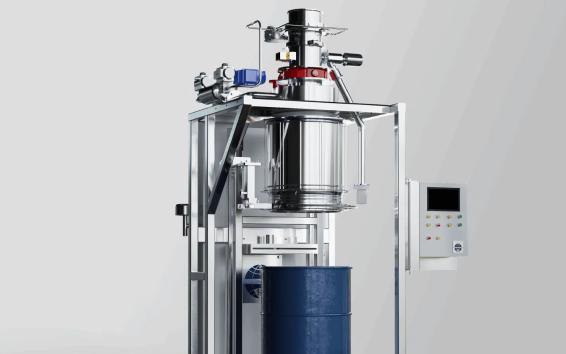
Before investing in new equipment, please conduct tests on the materials to be used at the Hosokawa Test and Process Development Center based on actual production conditions. Our experienced experts will assist you in determining the most effective mixing, granulation, or drying processes, helping you transition from laboratory trials to a comprehensive production testing phase. Whether you need to test the performance of a single machine or evaluate the entire production line, we can provide tailored testing services and process optimization solutions to ensure reliable system operation and excellent performance.
More
Contact Us
Feel free to contact us for any inquiries.