






Exhaust Gas Treatment
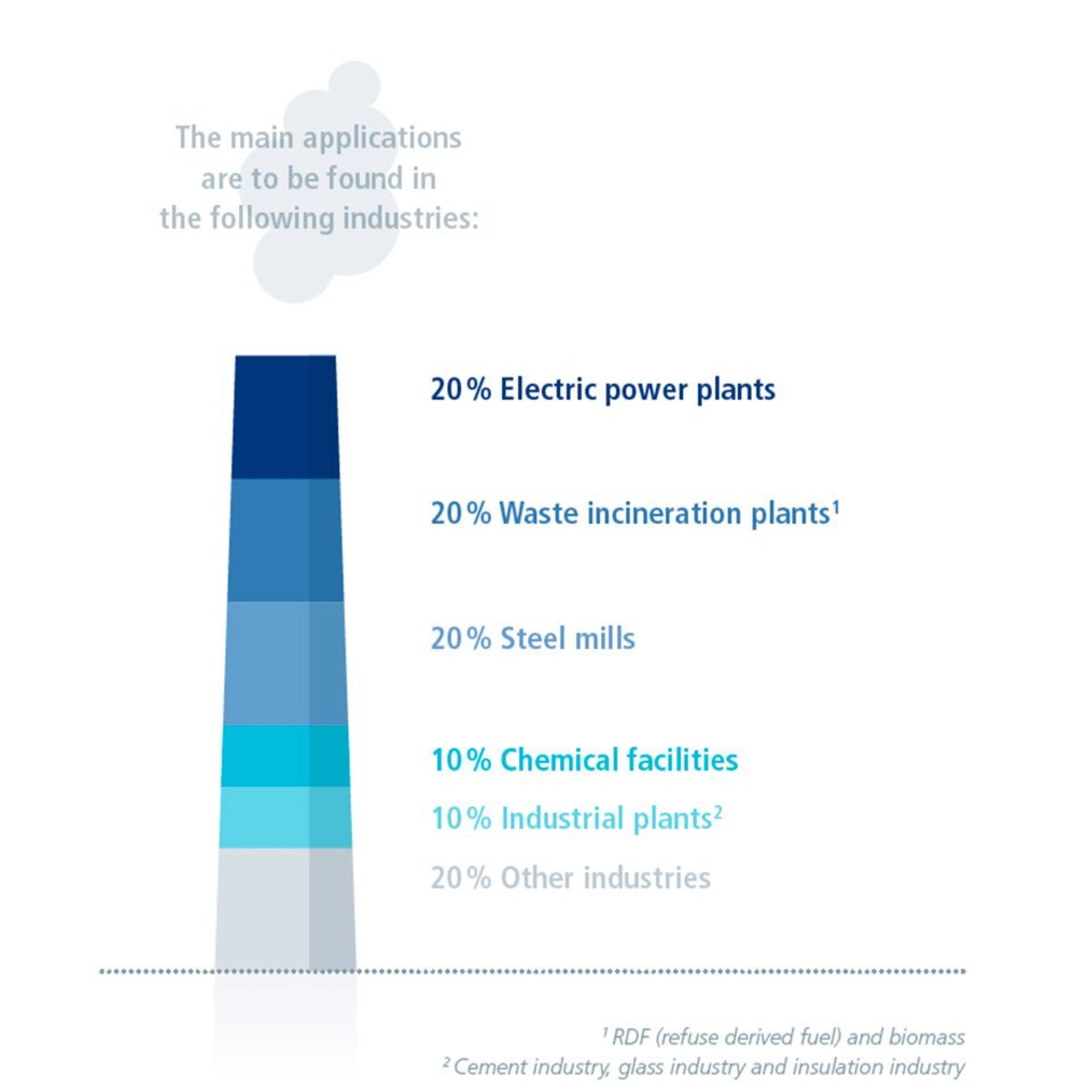
Dry flue gas cleaning
Optimum emission reduction with sodium hydrogen carbonate (NaHCO3)
Dry sorption processes for purifying gaseous inorganic pollutants are playing an increasingly important role in reducing emissions. This is reflected in the significant market shares they have now achieved: they are already pioneers in Europe and Korea; China and large parts of Asia are following suit. The facts are clear: flue gas cleaning with sodium hydrogen carbonate has long proved its worth and is now the state of the art.
Sodium hydrogen carbonate performs excellently in cleaning of flue gas. Particularly when incinerating waste, scrap tyres and other critical materials outstanding cleaning effects are achieved using sodium hydrogen carbonate: the pollutants HCl and SOx can thus be separated from the flue gases, thereby reducing emission.
The Cleaning Process
The sodium hydrogen carbonate is continuously conveyed from a silo through a volumetric screw feeder to the core component in the grinding process, the APP Classifier Mill, where the sodium hydrogen carbonate is comminuted.
The sorbent is conveyed pneumatically to the flue gas channel by the air flow generated by the fan.Here the chemical reaction takes place. Hydrogen chloride and sulphur oxides are bound to the sodium hydrogen carbonate and are separated on the filter. The cleaned flue gases escape through the chimney. The sorbent with the bound pollutants is collected under the filter.
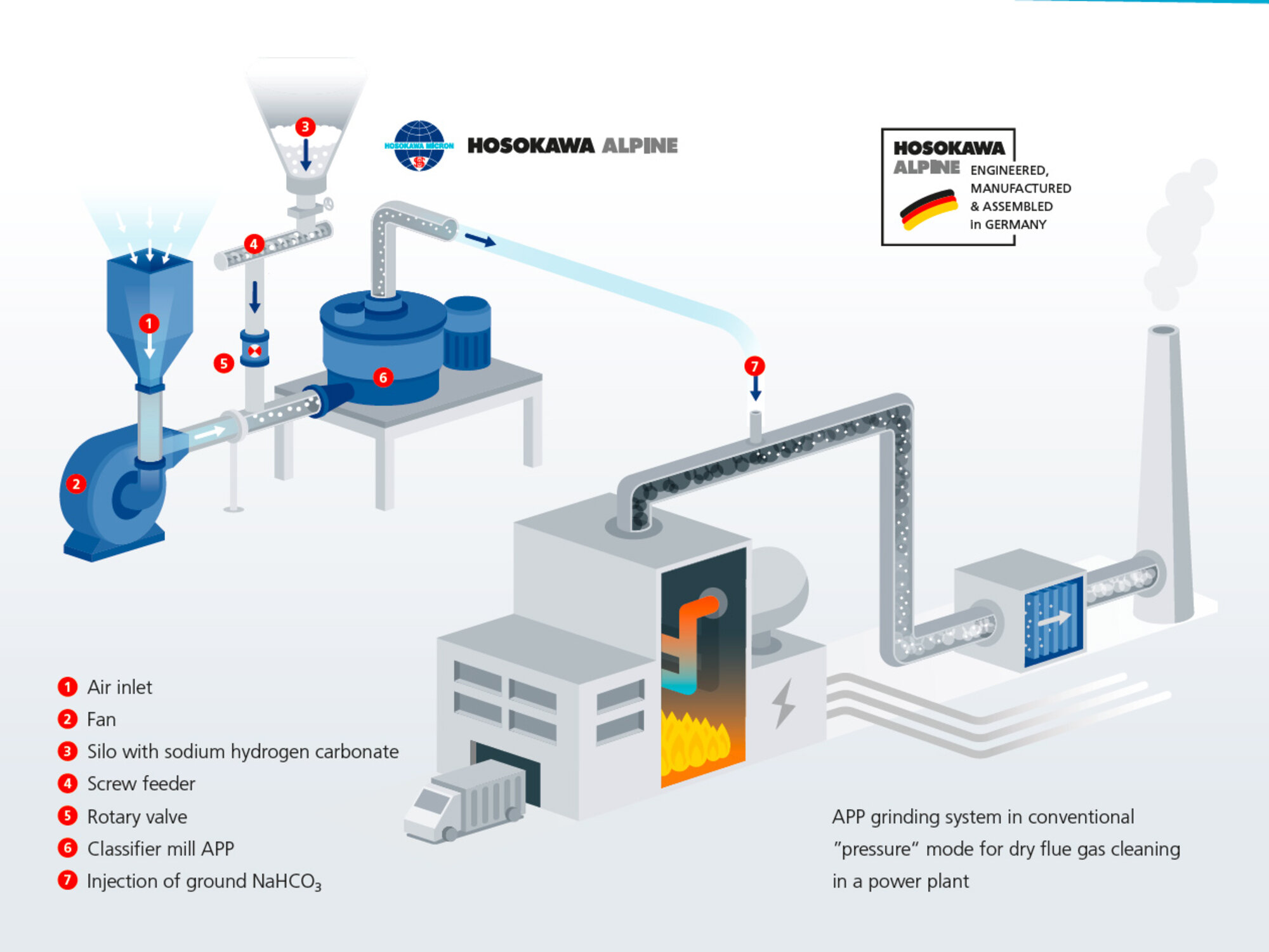
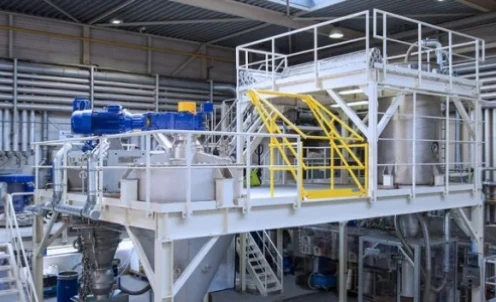
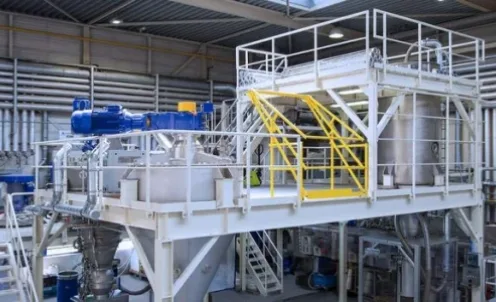
Flue gas cleaning: Example picture waste incineration plant
Plant capacities for standard sizes (for d90 = 20 µm)
Machine sizes 设备型号 | 160 APP | 200 APP | 315 APP | 400 APP | 500 APP | 750 APP |
Mill drive [kW] 研磨电机驱动功率 | 11 | 22 | 37 | 55 | 75 | 160 |
Nominal capacity [kg/h] 标称产能 | 160 | 270 | 550 | 800 | 1250 | 2250 |
Extended capacity [kg/h] 扩展产能 | 200 | 320 | 600 | 1000 | 1500 | 2700 |
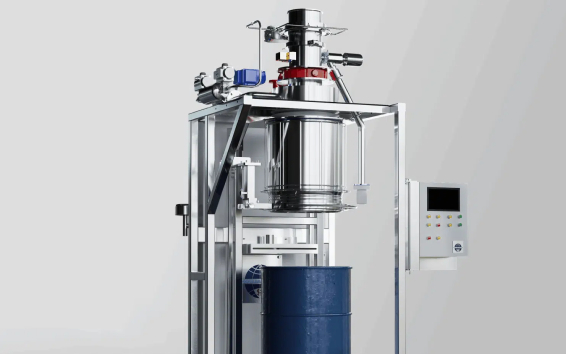
experimental verification
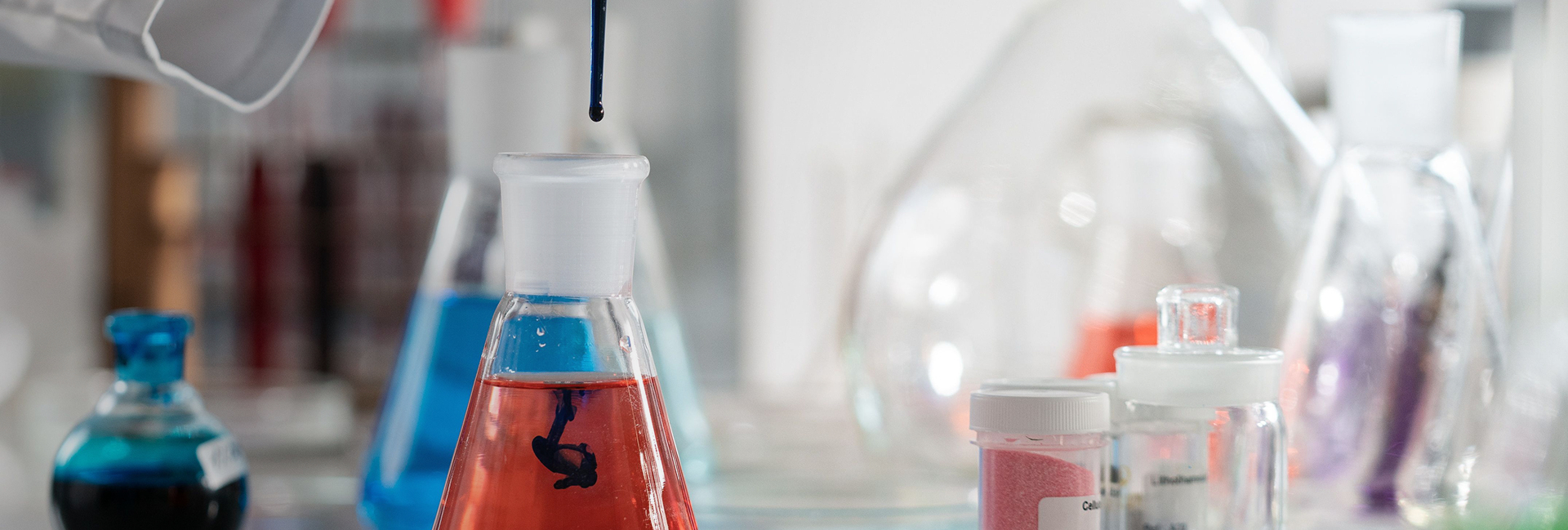
Before investing in new equipment, please conduct tests on the materials to be used at the Hosokawa Test and Process Development Center based on actual production conditions. Our experienced experts will assist you in determining the most effective mixing, granulation, or drying processes, helping you transition from laboratory trials to a comprehensive production testing phase. Whether you need to test the performance of a single machine or evaluate the entire production line, we can provide tailored testing services and process optimization solutions to ensure reliable system operation and excellent performance.
More
Contact Us
Feel free to contact us for any inquiries.