






Synthetic Amorphous Silica
Synthetic Amorphous Silica (hereinafter referred to as SAS) is a high-purity, high-value-added inorganic non-metallic functional powder material. Prepared via chemical synthesis processes using quartz sand as the base raw material, it features extremely low bulk density, ultra-high specific surface area, excellent adsorption performance, electrical insulation properties and rheology regulation capabilities, making it an indispensable core raw material for high-end industries including green tires, high-performance coatings, food and pharmaceuticals, new energy, and semiconductors.
Currently, the core commercially mass-produced SAS products are divided into three main categories, each with corresponding synthesis processes and application scenarios:
Pyrogenic (Fumed) Silica
Its core synthesis process involves high-temperature hydrolysis of halosilanes (e.g., silicon tetrachloride) in an oxyhydrogen flame at temperatures above 1000°C, which generates nanoscale primary silica particles. The final product is obtained through subsequent aggregation, gas-solid separation, deacidification and refining. The product boasts core advantages such as ultra-high purity (SiO₂ content ≥ 99.8%), large specific surface area (150-400 m²/g), fine primary particle size, and controllable surface hydroxyl groups, serving as a key raw material for high-end sectors including high-performance adhesives, semiconductor packaging, pharmaceutical excipients, and lithium battery separators.
Precipitated Silica
Using water glass (sodium silicate) and sulfuric acid as the core raw materials, the finished product is produced via a precipitation reaction in an aqueous solution, followed by filter pressing, washing, drying and grinding. This process features strong capacity adaptability and controllable production costs, making it the SAS category with the highest production capacity share in the domestic market at present. It is widely used in mainstream applications including rubber reinforcement for tires, abrasive agents for toothpaste, matting agents for coatings, and anti-caking agents for food products.
Silica Gel (Xerogel / Aerogel)
It is prepared through a sol-gel reaction between water glass and acid, followed by aging, washing, drying and grinding. With extremely high porosity and oriented adsorption performance, it is mainly applied in the fields of desiccants, catalyst supports, chromatographic separation, and food preservation.
Process
To address the industry pain points of high grinding energy consumption and technical difficulties in ultra-fine comminution of SAS, we provide a full range of grinding equipment industrially validated for SAS processing, with customized optimal comminution solutions tailored to product particle size, capacity requirements and application scenarios:
Jet Mill Series: Including AFG/AS fluidized bed jet mills and TDG spiral jet mills. They are compatible with low-pressure operating conditions of 1-3 bar, support hot gas grinding up to 230°C, and enable simultaneous in-situ modification with additives and water injection process. Perfectly suited for the comminution of ultra-fine products such as pyrogenic silica, they deliver precise particle size control with no over-grinding issues.
Mechanical Mill Series: Including UPZ Ultraplex universal impact mill, ACM classifier mill, ZPS classifier mill and more. They are adaptable to both cold and hot gas operating conditions, and can be equipped with in-situ additive modification processes. Among them, the ZPS classifier mill features an optimized internal structure for the low bulk density characteristics of SAS: a guide cone on top of the beater disc forces the material to pass through the grinding zone, greatly improving grinding efficiency with significantly lower energy consumption than traditional jet mills. The ACM classifier mill enables precise control of the product's D50 particle size, making it ideal for large-scale production of commercial-grade precipitated silica products.

High-Precision Narrow Distribution Classification System
To meet the stringent requirements of high-end SAS products for particle size distribution (PSD) and top-cut precision of coarse particles, we provide a full range of dynamic classification equipment to achieve nanoscale precision control of particle size:
Core compatible models cover the full product range, including ATP single-wheel classifier, TSP single-outlet classifier, TTSP multi-stage classifier (capable of three-fraction particle size classification in a single pass), and TTC ultra-fine classifier.
The proprietary optimized NG series next-generation classifier wheels and TTD Turbo Twin Double classifier wheels with dual outlets feature a flow channel design optimized for SAS ultra-fine powders. They enable finer cut points, eliminate coarse particle escape, and ensure consistent batch-to-batch product quality.
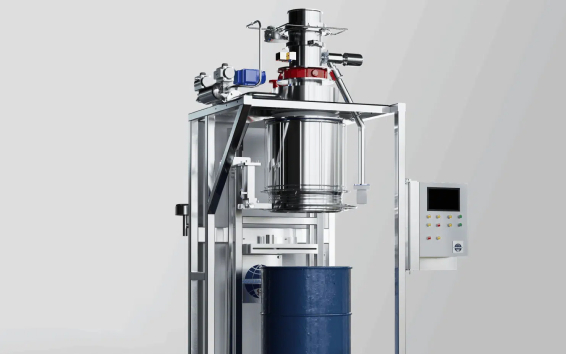
experimental verification
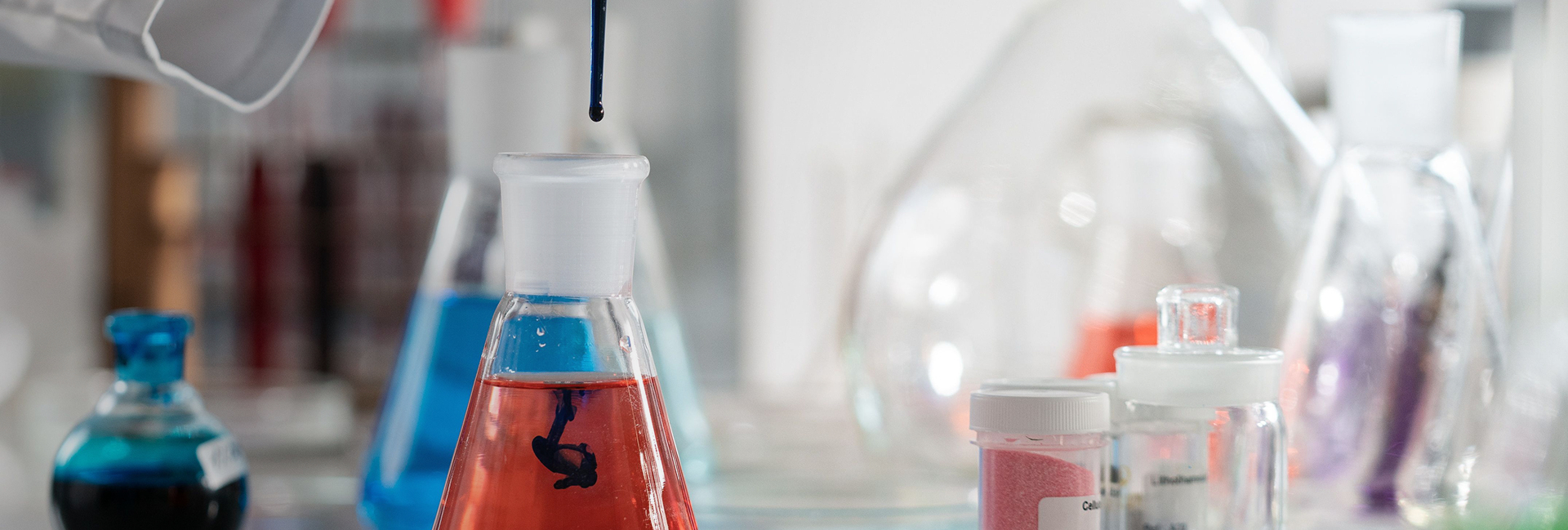
Before investing in new equipment, please conduct tests on the materials to be used at the Hosokawa Test and Process Development Center based on actual production conditions. Our experienced experts will assist you in determining the most effective mixing, granulation, or drying processes, helping you transition from laboratory trials to a comprehensive production testing phase. Whether you need to test the performance of a single machine or evaluate the entire production line, we can provide tailored testing services and process optimization solutions to ensure reliable system operation and excellent performance.
MoreDownloads


Contact Us
Feel free to contact us for any inquiries.